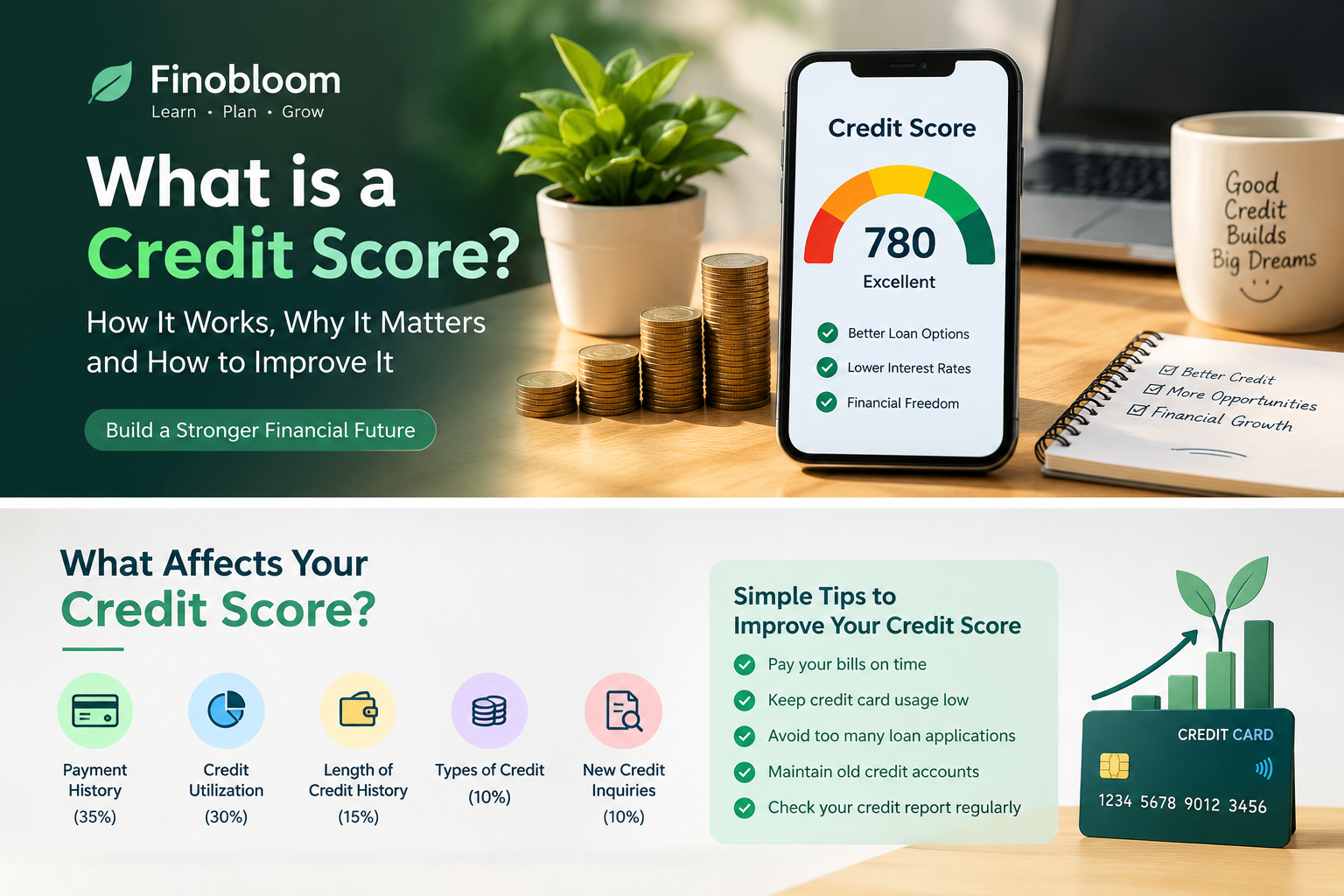
A credit score can influence your ability to borrow money, qualify for a credit card, or access a home loan. Yet many people are unsure what this number actually means or how it is calculated.
The good news is that understanding credit scores does not require advanced financial knowledge. By learning what lenders look for and developing responsible borrowing habits, you can take practical steps to build a stronger credit profile.
In this guide, you will learn what a credit score is, which factors can affect it, how credit scoring differs across countries, and what you can do to improve your creditworthiness over time.
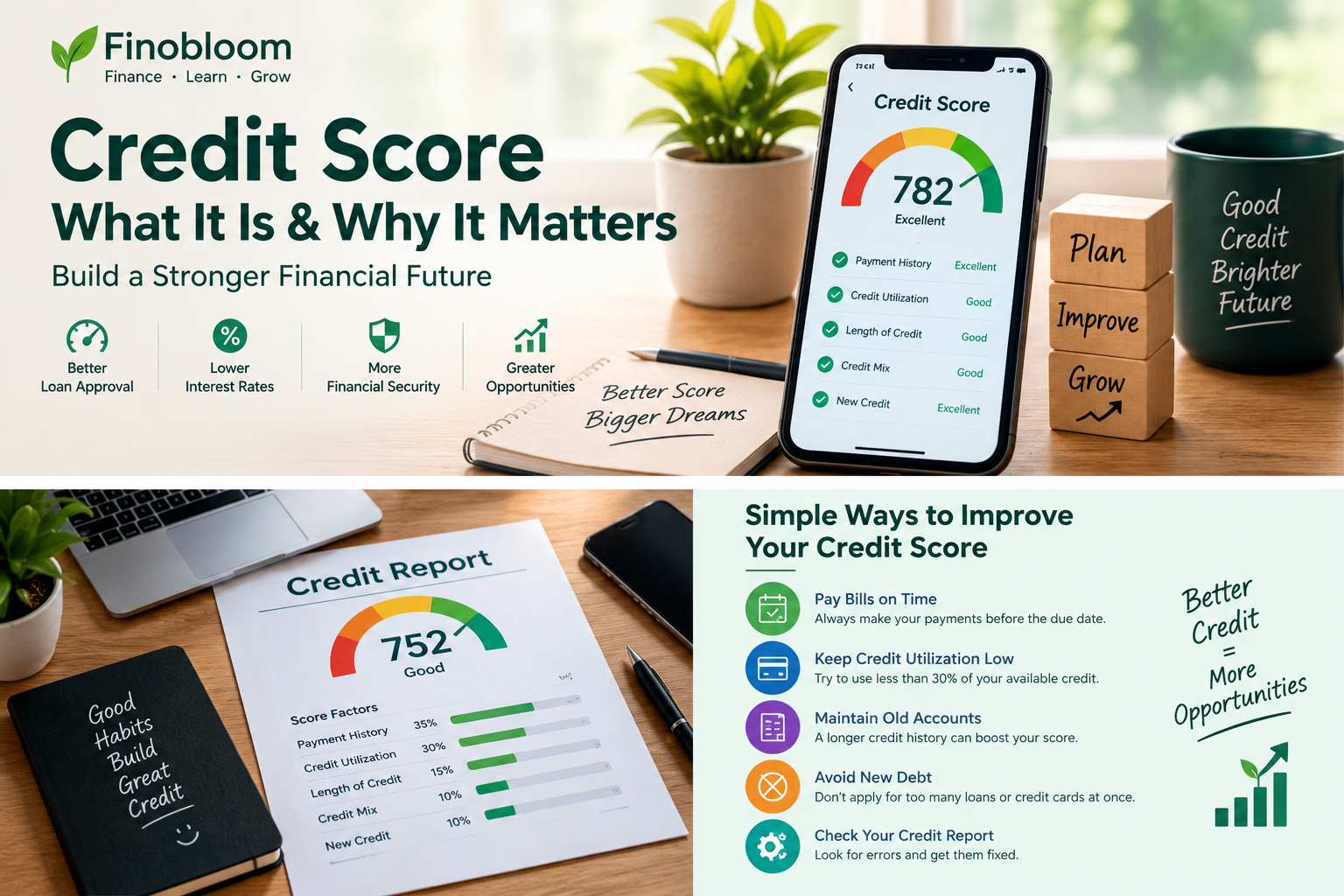
What Is a Credit Score?
A credit score is a numerical estimate of how likely a person is to repay borrowed money according to the terms of a credit agreement. It is generally calculated using information in a credit report, although lenders may also consider other information when assessing an application.
Credit reports can contain details about loans, credit cards, repayment history, outstanding balances, and credit applications. Scoring systems use selected information from these records to estimate credit risk.
A stronger credit score can improve your chances of qualifying for certain financial products and may help you obtain more favorable borrowing terms. However, a high score does not guarantee loan approval.
Lenders can also consider your income, existing debts, employment circumstances, affordability, and their own eligibility requirements.
How Does a Credit Score Work?
Credit scoring systems use mathematical models to evaluate information about a person’s borrowing and repayment behavior.
For example, imagine two people applying for similar loans. One regularly pays existing debts on time and maintains manageable balances. The other frequently misses payments and carries substantial outstanding debt.
A lender may view the first applicant as less risky. However, the actual decision depends on the lender’s policies, the applicant’s full financial circumstances, and the scoring model being used.
Your credit score may change when new information is added to your credit report, existing balances change, or older account information becomes less influential.
It is also possible to have different credit scores at the same time. Different credit bureaus may hold different information, and different scoring models may interpret that information differently.
What Factors Affect Your Credit Score?
The exact formula varies by country, credit bureau, and scoring model. Nevertheless, several factors commonly influence credit assessments.
1. Payment History
Your repayment record is an important indicator of how you manage borrowed money.
Making loan installments and credit card payments on time can help establish a positive credit history. Missed payments, defaults, and accounts sent to collections may harm your credit profile.
What you can do: Set payment reminders, use automatic payments where appropriate, and ensure your bank account has enough money before a payment is due.
2. Credit Utilization
Credit utilization describes how much of your available revolving credit you are using.
For example, if your credit card limit is 2,000 units of your local currency and your reported balance is 600, your utilization is 30%.
A high balance relative to your available limit can indicate greater borrowing pressure. Some scoring systems consider this factor more heavily than others.
What you can do: Keep credit card balances manageable, avoid regularly approaching your limits, and pay more than the minimum whenever you can afford to do so.
There is no single utilization percentage that guarantees a particular score in every country or scoring model.
3. Length of Credit History
A longer record of responsibly managing credit can give lenders more information about your financial behavior.
Someone who has managed an account successfully for several years may have a more established credit history than someone who opened their first account recently.
What you can do: Build credit gradually and avoid closing an established account without considering its fees, terms, and potential effects on your credit profile.
You do not need to borrow unnecessarily just to create a longer credit history.
4. New Credit Applications
Applying for several credit products within a short period may concern some lenders because it can indicate increasing demand for borrowing.
Depending on the country and system, a formal application may generate a hard inquiry on your credit report. Checking your own credit report is generally treated differently and usually does not reduce your score.
What you can do: Research eligibility requirements before applying and submit applications when you genuinely need credit.
5. Types of Credit and Outstanding Debt
Your credit profile may include credit cards, personal loans, vehicle loans, mortgages, or other borrowing arrangements.
Some scoring models consider the types of credit you manage and your overall outstanding debt. However, the importance of these factors varies.
What you can do: Borrow only when necessary and choose products that suit your financial situation. Do not take out an additional loan simply to create a particular credit mix.
How Is a Credit Score Different Across Countries?
Credit scoring is not a universal system. Countries use different credit bureaus, reporting rules, score ranges, and lending practices.
A score that looks excellent in one country may not be directly comparable with a score elsewhere.
United States
In the United States, many commonly used consumer credit scores fall within a range of 300 to 850, although other models and scoring ranges exist.
Credit reports are maintained by major credit reporting companies, including Equifax, Experian, and TransUnion. Lenders may use different scoring models depending on the type of credit being requested.
Payment history, balances relative to credit limits, the length of credit history, new credit applications, and account types can all matter.
India
In India, TransUnion CIBIL provides CIBIL credit scores that range from 300 to 900.
A CIBIL score is based on credit information reported by participating lenders. Repayment history, outstanding balances, and recent credit inquiries can influence the assessment.
Other credit information companies also operate in India, so the score and report available from one provider may differ from those provided by another.
United Kingdom
In the United Kingdom, credit reference agencies include Experian, Equifax, and TransUnion. The numerical scales used by these agencies can differ substantially.
A consumer may therefore see different numbers across services even when the underlying financial circumstances have not changed significantly.
Lenders also use their own criteria and may consider credit reports, income, affordability, and other details rather than relying on one consumer-facing score.
Other Countries
Other countries have their own credit reporting systems and rules. The information collected, availability of credit scores, and way lenders evaluate applications can vary.
In some places, credit history may be less developed or may be used differently by financial institutions. Reporting rules and the treatment of particular payments can also differ.
The important lesson: Always check your credit report through the recognized credit reporting organizations in your own country. Do not compare your score directly with someone else’s score from a different scoring system.
How Can You Improve Your Credit Score?
Improving a credit score usually takes consistent effort rather than a quick trick. The following habits can help strengthen your credit profile over time.
Pay Every Bill on Time
Keep track of credit card due dates, loan installments, and other payments that are reported to credit bureaus in your country.
If you have already missed a payment, bring the account up to date as soon as your circumstances allow and contact the lender if you need assistance.
Reduce Outstanding Credit Card Balances
If you regularly use a large portion of your credit limit, paying down the balance may help improve your credit profile.
Avoid taking on additional debt just to make existing debt look smaller. Focus on a repayment approach that fits your budget.
Check Your Credit Report for Errors
Review your report for unfamiliar accounts, incorrect payment statuses, duplicate debts, or balances that appear inaccurate.
If you find an error, contact the relevant credit bureau and lender using their official dispute process. Keep copies of statements and other supporting records.
Correcting inaccurate information can help ensure your credit profile reflects your actual financial history.
Limit Unnecessary Credit Applications
Apply for loans and credit cards selectively. Before applying, check the eligibility criteria and consider whether the repayment commitment is affordable.
A large number of applications in a short period may affect your profile under some scoring systems.
Maintain Healthy Financial Habits
Create a budget, build emergency savings when possible, and avoid borrowing more than you can comfortably repay.
Savings do not automatically raise every credit score, but they can help you handle unexpected expenses without relying on expensive debt.
Be Patient and Consistent
Accurate negative information generally cannot be removed simply because you want a higher score. Its effect and the period for which it can be reported depend on local laws and reporting rules.
Consistent repayment and responsible borrowing can improve your credit profile over time, but no legitimate service can guarantee a specific score increase by a particular date.
Does Checking Your Own Credit Score Lower It?
In many systems, checking your own score or requesting your own credit report is treated as a soft inquiry and does not lower your score.
However, rules and terminology can differ across countries and providers. A formal application for a credit product may involve a hard inquiry, which can affect a score under some models.
Before using a credit monitoring service, check what information it provides, whether it charges a fee, and whether the score shown is the same type of score a lender may use.
Regularly reviewing your credit report can help you identify errors and notice signs of possible identity theft.
Can You Have a Credit Score of Zero?
Not necessarily. Someone who has never borrowed money or used a credit product reported to a credit bureau may have no established credit history or may be considered unscorable.
That is different from having a poor credit history.
For example, TransUnion CIBIL may show a score of NA or NH in certain circumstances where there is insufficient recent credit information to calculate a score.
If you are new to credit, check the rules in your country and learn which responsible credit-building options are available. You do not need to take on unnecessary debt simply to produce a score.
Building financial stability starts with managing credit responsibly and preparing for unexpected expenses. Read our guide on “Emergency Fund: How Much Money Should You Keep and Where Should You Keep It?” to learn how to build a financial safety net.
Common Credit Score Myths
Myth 1: A high credit score guarantees loan approval.
Reality: Lenders may also assess income, affordability, existing debt, employment information, and their own eligibility requirements.
Myth 2: Everyone has the same credit score.
Reality: Scores can differ between bureaus, scoring models, lenders, and dates of calculation.
Myth 3: Checking your own credit report always lowers your score.
Reality: Personal checks are generally treated differently from formal credit applications, although you should confirm the rules in your country.
Myth 4: You must carry credit card debt to build good credit.
Reality: Carrying an unpaid balance and paying interest is not a requirement for responsible credit management. Paying on time and keeping borrowing manageable are more important habits.
Myth 5: You can fix any credit score instantly.
Reality: Accurate credit information cannot usually be erased just to improve a score. Meaningful improvement depends on your circumstances and the reporting system.
Frequently Asked Questions
What is considered a good credit score?
There is no universal good-score threshold. The answer depends on the country, bureau, scoring model, and lender. Check the official guidance associated with your score rather than relying on a range from another country.
How long does it take to improve a credit score?
There is no fixed timeline. Some changes may appear after new information is reported, while rebuilding a history affected by missed payments or defaults can take much longer.
Does income directly determine a credit score?
Income is not necessarily a direct component of a credit score. However, lenders may evaluate income and affordability separately when deciding whether to approve an application.
Can I improve my credit score without taking out a loan?
You can maintain good financial habits without borrowing unnecessarily. If you already have reported credit accounts, paying them responsibly may help your credit profile. If you have no credit history, the options available to establish one depend on local rules and products.
Where should I check my credit score?
Use the official website of a recognized credit bureau or a trusted provider operating in your country. Confirm whether the service is free or paid and read its privacy terms before sharing personal information.
Final Thoughts
A credit score is one part of your financial profile, not a complete measure of your financial health.
Paying debts on time, managing balances carefully, applying for credit selectively, and checking your credit report for errors are practical steps that can help you build a stronger credit history.
Remember that scoring systems differ across countries. Understand the rules that apply where you live, borrow responsibly, and focus on sustainable financial habits rather than chasing a particular number.
Disclaimer: This article is for educational purposes only and is not individualized financial or lending advice. Credit scoring rules and lending decisions vary by country, provider, and product.