
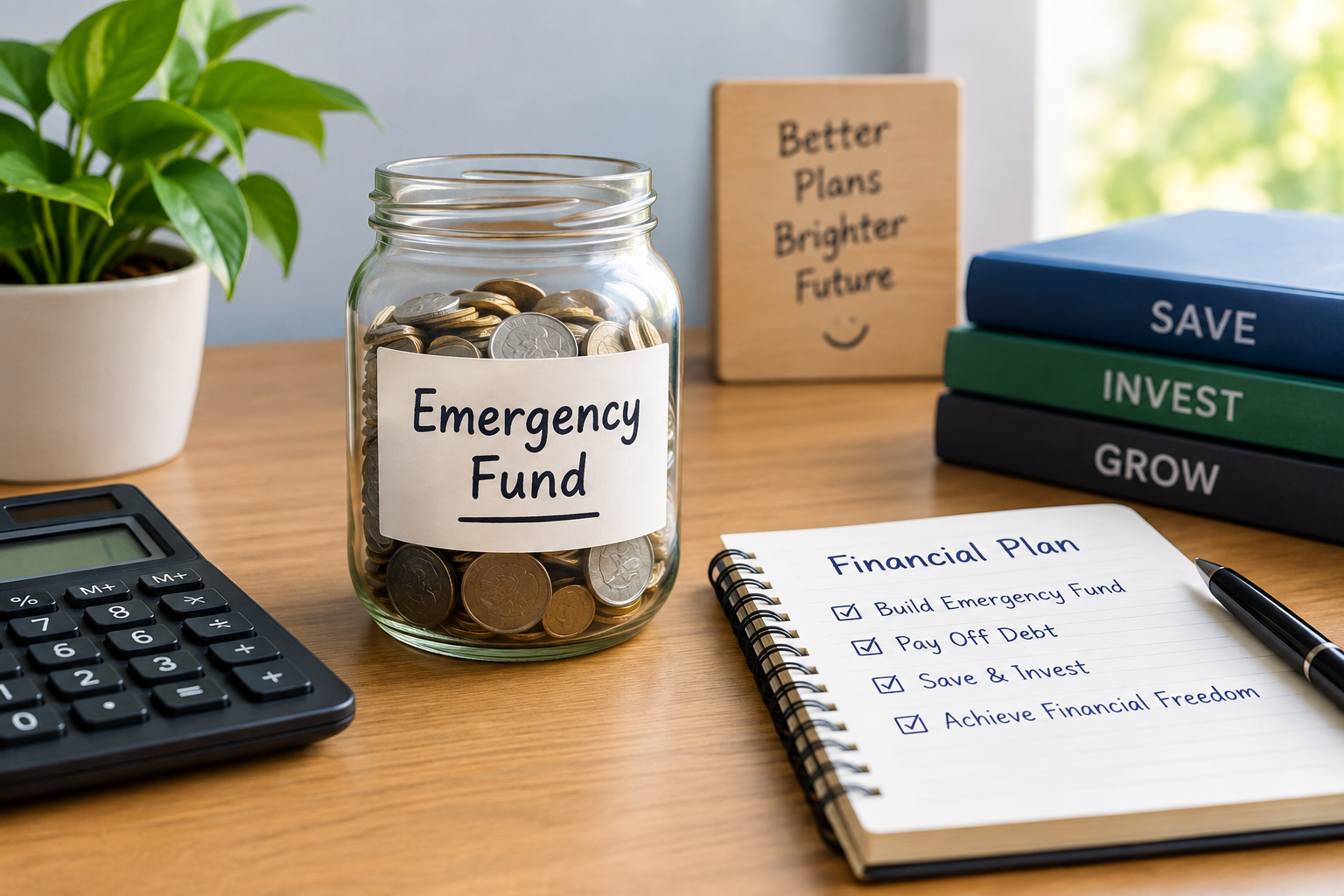
Life can be unpredictable. An unexpected medical bill, job loss, urgent repair, or other emergency can put pressure on your finances when you are least prepared for it.
This is where an emergency fund can make a big difference.
What Is an Emergency Fund?
An emergency fund is money that you keep aside for unexpected expenses. It is not for shopping, vacations, gadgets, or planned purchases. Its main purpose is to help you when something unexpected happens.

You may need it for:
●An unexpected medical expense
●Urgent home or vehicle repairs
●A sudden loss of income
●Essential family expenses
●Unexpected travel because of an emergency
Other necessary expenses that you did not plan for
How Much Should You Keep in an Emergency Fund?
There is no single amount that works for everyone. A common starting target is 3 to 6 months of essential living expenses. If your income changes from month to month, you support dependents, or your work is less predictable, you may want a larger cushion. If you are starting from zero, do not let the full target discourage you: begin with a small, achievable milestone and build gradually.
For example, suppose your essential monthly expenses are ₹25,000:
- 1 month of essential expenses: ₹25,000
- 3 months: ₹25,000 × 3 = ₹75,000
- 6 months: ₹25,000 × 6 = ₹1,50,000
These are illustrations, not fixed rules. Estimate your own essential costs first, then choose a realistic initial target. For help organising monthly costs, see our guide on building a monthly budget.
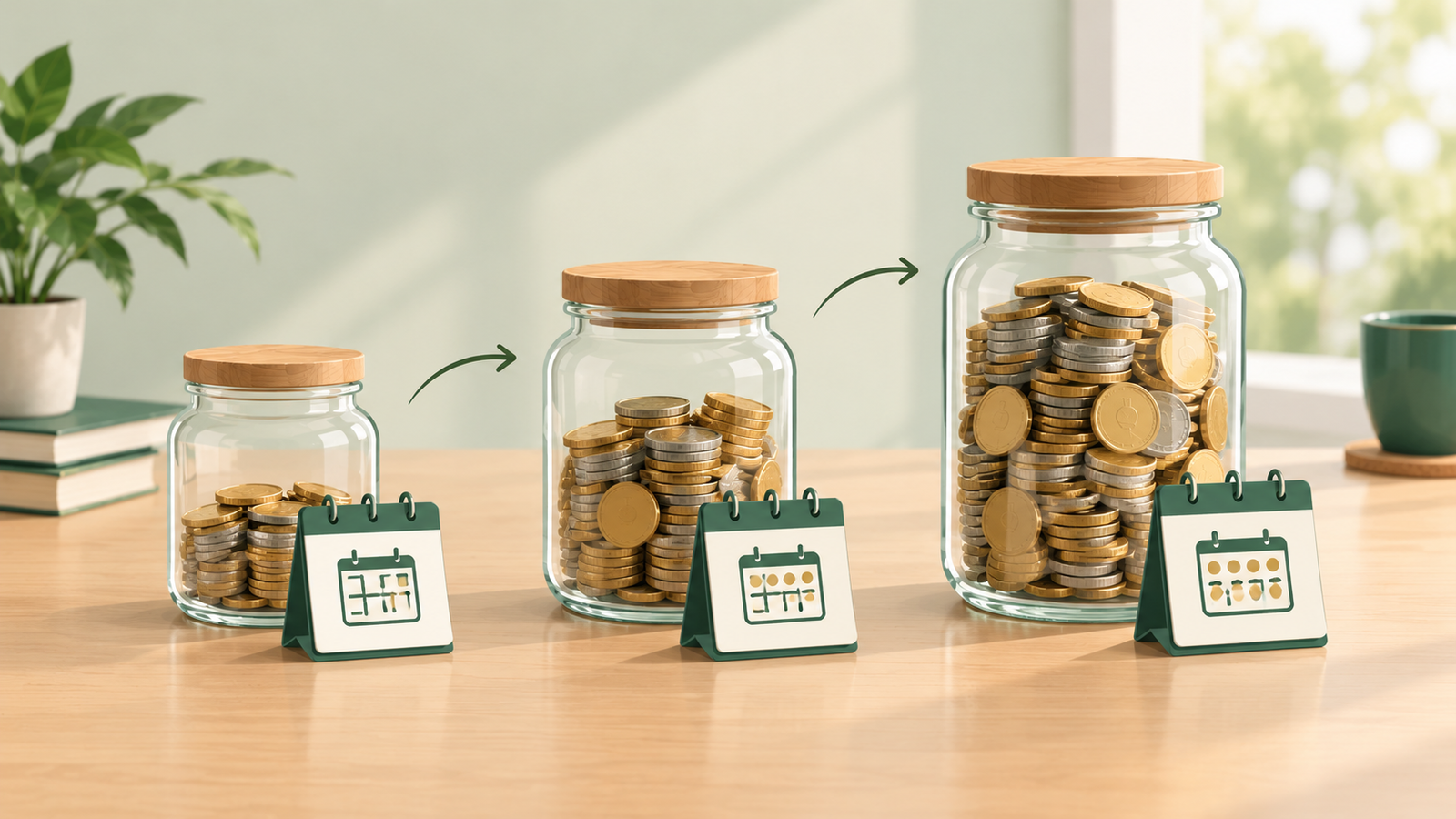
Your ideal amount can depend on your income stability, family responsibilities, job situation, debt, and regular expenses.
Someone with a highly stable income may choose a smaller buffer, while someone with irregular income may prefer a larger one.
What Counts as an Essential Expense?
When calculating your emergency fund, focus on expenses you genuinely need.
These may include:
●Rent or housing costs
●Groceries
●Electricity and other essential bills
●Transportation
●Insurance premiums
●Necessary medicines or healthcare expenses
●Loan payments
●Essential family expenses
You generally do not need to include non-essential spending such as entertainment, luxury shopping, or expensive vacations. Review your numbers against your real monthly budget rather than guessing. Our guide to saving money on a low income may also help if there is little room left after essential bills.
The goal is to calculate the amount you would need to keep your basic life running during a difficult period.
Where Should You Keep Your Emergency Fund?
An emergency fund should be safe and easily accessible.
The priority is not to chase the highest possible return. The priority is being able to access the money when you actually need it.
1. Savings Account
A savings account can provide easy access to your money and is simple to manage. Compare account fees, access limits, security features, and withdrawal convenience—not just the advertised interest rate. Our guide explains how to choose a savings account.
For many people, keeping at least part of their emergency fund in an easily accessible savings account can be practical.
2. Short-Term Deposit Options
Some people may consider suitable short-term deposit products for money that does not need to be accessed immediately.
However, always check withdrawal rules, penalties, and applicable terms before choosing one.
3. A Combination of Options
You don’t necessarily have to keep the entire emergency fund in one place.
For example, you could keep some money immediately accessible while placing another portion in an appropriate low-risk option that still allows reasonably quick access.
The right choice depends on your personal financial situation.
Should You Invest Your Emergency Fund?
An emergency fund has a different purpose from long-term investments.
Investments such as stocks or equity mutual funds can fluctuate in value. If an emergency happens during a market downturn, you may be forced to sell at an inconvenient time.
That’s why emergency money generally needs stability and accessibility first.
Once your emergency fund is properly established, you can focus separately on long-term investing and wealth creation.
How to Build an Emergency Fund From Zero
You don’t need to create a large emergency fund overnight.
Start small.
Calculate Your Essential Monthly Expenses
Write down the expenses you cannot avoid each month.
Set Your First Target
Instead of immediately thinking about six months of expenses, start with a smaller milestone. Choose an amount you can save without missing essential bills or taking on expensive debt. If irregular costs keep disrupting your budget, learn how sinking funds work; they can help you plan for expected expenses that are not emergencies.
For example:
₹10,000 → ₹25,000 → 1 month’s expenses → 3 months → 6 months
Small milestones can make the goal feel much more achievable.
Automate Your Savings
If possible, automatically move a fixed amount into your emergency savings after receiving your income.
Even a small amount saved consistently can build a useful financial cushion over time.
Keep It Separate
Consider keeping your emergency money separate from the account you use for everyday spending.
This can reduce the temptation to spend it on non-essential purchases.
Rebuild After Using It
If you need to use your emergency fund, don’t feel that you have failed.
That’s exactly what the fund is there for.
After the emergency has passed, make rebuilding the fund your next financial priority.
Common Emergency Fund Mistakes
Using It for Non-Emergencies
Buying a new phone or going on vacation usually isn’t an emergency.
Keep the fund reserved for genuine unexpected needs.
Keeping Too Little
Having only a few days’ worth of expenses may not provide enough protection during a prolonged financial setback.
Investing It Aggressively
The purpose of an emergency fund is financial stability, not maximum investment returns.
Forgetting to Refill It
If you use part of the fund, remember to rebuild it when your finances return to normal.
Emergency Fund vs Investments
An emergency fund and an investment portfolio have different jobs.
Emergency fund: Protects you from unexpected financial problems.
Investments: Help you pursue long-term financial goals and wealth creation.
You don’t necessarily have to choose one over the other. A healthy financial plan can include both.
Emergency Fund Checklist
- Calculate essential monthly expenses, including housing, food, utilities, transport, insurance, and required debt payments.
- Set a first target that feels achievable, then gradually work toward a larger buffer.
- Keep the money somewhere safe and accessible, and check any withdrawal rules before using a deposit product.
- Keep emergency savings separate from everyday spending where practical.
- After using the fund for a genuine emergency, make a plan to rebuild it.
For more general guidance, the US Consumer Financial Protection Bureau shares practical steps for building an emergency fund.
Final Thoughts
An emergency fund may not feel exciting, but it can become one of the most useful parts of your financial plan.
Start with an amount you can realistically save. Build it gradually, keep it accessible, and avoid using it for everyday wants.
Once you have a financial safety net in place, you can approach your other financial goals with greater confidence.
The goal isn’t to predict every emergency. It’s to be financially prepared when life doesn’t go according to plan.
This article is for general educational purposes and is not personalized financial advice. Financial products, interest rates, taxes, and rules can change, so consider checking current terms and seeking professional advice for decisions specific to your situation.
42 thoughts on “Emergency Fund: How Much Should You Save?”