

Debit cards and credit cards may look similar, and both can make everyday payments easier. The important difference is where the money comes from: a debit card generally uses money in your bank account, while a credit card lets you borrow money from a card issuer and repay it later. Understanding that difference can help you avoid unnecessary fees, manage spending, and choose the right card for each purchase.
This guide explains how debit and credit cards work, their benefits and risks, and practical ways to use them responsibly. Card rules, fees, dispute rights, and credit-reporting systems vary by country, so check the terms and protections that apply where you live.
Debit Card vs. Credit Card: The Main Difference
A debit card is usually connected to a checking or current account. When you pay with it, the amount is taken from your available balance, although processing delays or holds can affect when the money is deducted.
A credit card provides access to a credit limit set by the issuer. You use the issuer’s money for a purchase and receive a statement showing what you owe. Paying the statement balance by the due date can help you avoid purchase interest when your card offers a grace period and you meet its conditions. Carrying a balance can lead to interest and fees.
| Feature | Debit card | Credit card |
|---|---|---|
| Source of money | Usually your bank-account balance | Credit provided by the card issuer |
| Repayment | No monthly borrowing bill for ordinary purchases | You repay the amount charged |
| Interest | Usually no purchase interest, but account fees may apply | Interest may apply if you do not pay as required |
| Spending limit | Available account funds and card limits | Available credit limit and issuer controls |
| Credit history | Usually does not build credit history | May affect credit history, depending on local reporting systems |
| Rewards | May offer rewards | May offer cash back, points, travel benefits, or no rewards |
How a Debit Card Works
When you pay with a debit card, the payment is generally linked to money you already have in your account. The bank may approve or decline the transaction based on your available balance, account settings, and card limits.
Some transactions—such as hotel deposits, fuel-pump authorisations, or rental-car holds—can temporarily reduce the amount available to spend.
Benefits of debit cards
- Helps limit borrowing: You generally spend from funds in your account rather than adding to a credit-card balance.
- Simple everyday payments: Debit cards are convenient for groceries, transport, and routine purchases.
- No purchase interest: Typical debit purchases do not generate credit-card purchase interest.
- Useful for budgeting: Transactions appear in your bank activity, helping you track expenses.
Risks and drawbacks of debit cards
- Available cash can be tied up: Holds and pending transactions may temporarily reduce your balance.
- Account fees may apply: Depending on your account and settings, overdraft or other fees may apply.
- Fraud can disrupt access to your money: An unauthorised transaction may affect funds in your account while it is investigated. Reporting deadlines and protections vary by country and account type.
- It usually does not build credit: Paying with a debit card generally does not demonstrate repayment of borrowed money to credit bureaus.
How a Credit Card Works
A credit card gives you access to a revolving line of credit. You can make purchases up to your available limit, then repay the amount according to your statement. Your minimum payment is generally less than the full balance, but paying only the minimum can make debt expensive and long-lasting.
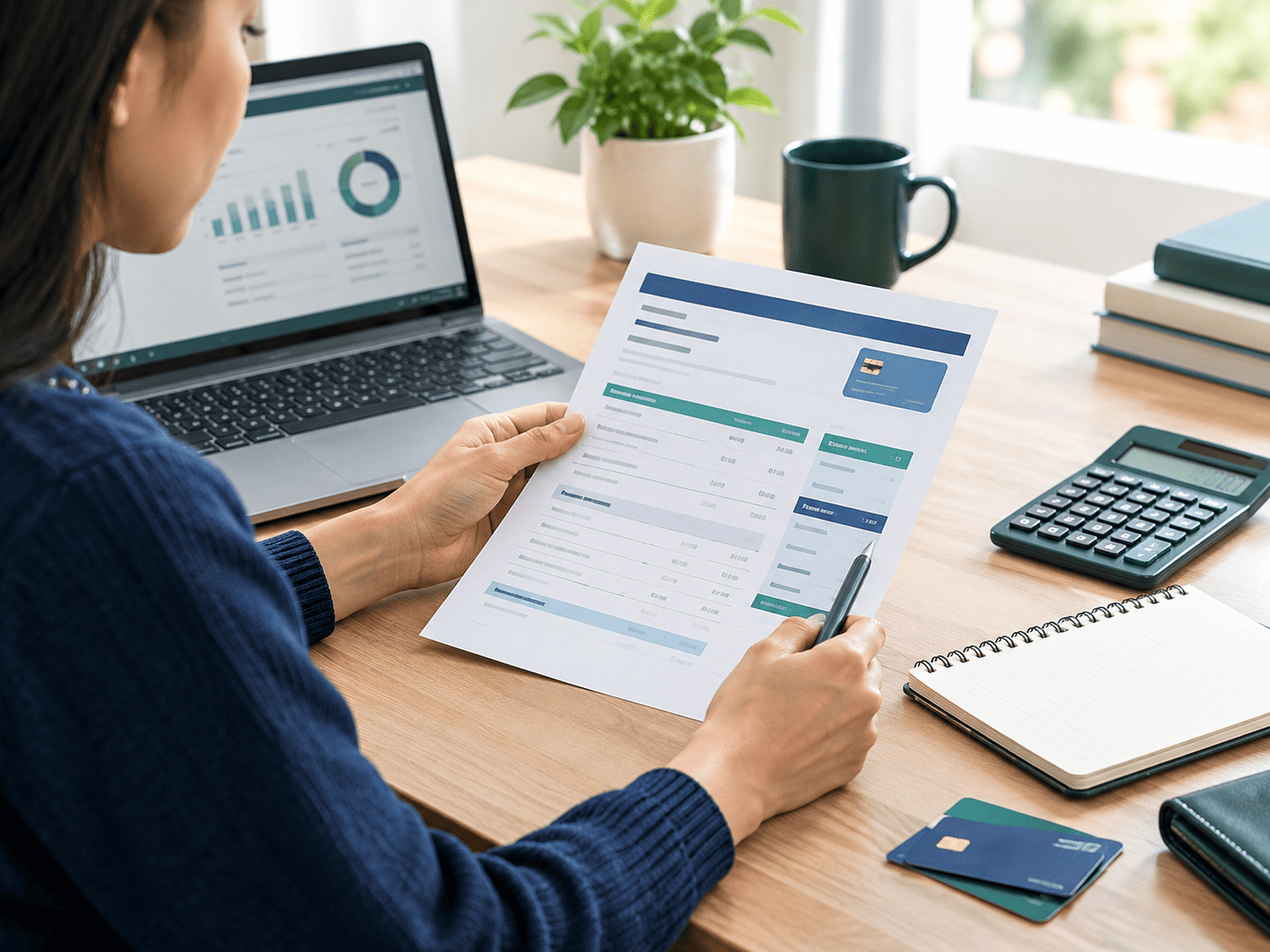
For a deeper explanation of rates and repayment costs, read Finobloom’s guide to how credit-card interest and APR work.
Benefits of credit cards
- Potential to build credit history: In countries where card activity is reported, responsible use and on-time payments may help establish a credit record.
- Purchase features: Some cards offer extended warranties, purchase protection, travel benefits, or dispute assistance.
- Rewards: Some cards offer cash back, points, or travel rewards.
- Short-term flexibility: A card can help manage the timing between a purchase and payday, provided you have a realistic repayment plan.
- Separation from bank-account funds: A credit-card purchase does not usually deduct the amount directly from your deposit account at the time of purchase.
These benefits depend on the card agreement and local laws. They are not guaranteed features of every credit card.
Risks and drawbacks of credit cards
- Interest can add up: If you carry a balance, the issuer may charge interest. Cash advances and certain transactions may have different rules or costs.
- Fees can reduce the value: Annual fees, late-payment fees, foreign-transaction fees, balance-transfer fees, or cash-advance fees may apply.
- Overspending is easy: A credit limit is not a target or an extension of your income.
- Missed payments can cause harm: Late payments may lead to fees, higher costs, and negative credit-history consequences.
Which Card Should You Use for Everyday Purchases?
There is no single right answer for everyone. Choose based on your spending habits, ability to repay, fees, and the protections available on your card.
Groceries and routine spending
A debit card can be a good fit if you prefer to spend only money already in your account and want a straightforward way to track everyday expenses.
A credit card may also work if you have a budget, understand the terms, and can pay the full statement balance on time. Do not use credit simply because your bank balance is low.

Online shopping
Either card can be used online where accepted. Before paying, check that the website is legitimate, use strong and unique passwords, enable transaction alerts, and avoid sharing one-time passwords or security codes with anyone.
Some credit cards provide useful dispute or purchase features, but these are not universal and should never replace safe shopping habits.
If you notice a transaction you do not recognise, contact the card issuer or bank promptly using its official app, website, or the number printed on the card. Ask about freezing the card, disputing the transaction, and the applicable reporting deadline.
Travel, hotels, and rental vehicles
Travel providers sometimes place a temporary authorisation hold on a card. With a debit card, that hold may reduce the money available in your bank account until it is released. A credit card may keep the hold within your available credit instead, but it can still reduce your credit limit.
Check the provider’s payment rules before booking; some providers require a particular card type.
Large or unexpected purchases
Before using either card, check whether the purchase fits your budget and whether you can cover it without missing essential bills.
If you would need to carry a credit-card balance for months, compare the total cost with alternatives and consider delaying the purchase where possible. For an unexpected expense, a dedicated savings buffer can reduce the need to borrow.
Do Credit Cards Build Credit Scores?
In many countries, credit-card accounts and repayment behaviour can be reported to credit-reference agencies. Paying on time, keeping balances manageable, and applying for credit thoughtfully may support a healthy credit profile, but no action guarantees a particular score. The factors used by lenders and credit bureaus vary.
Debit-card purchases generally do not create a borrowing-and-repayment record, so they usually do not build a credit score on their own. However, avoiding debt is not a disadvantage in itself. If you do not need credit or cannot comfortably manage repayments, do not take out a credit card solely to chase a score.
For more background on credit reports and score factors, read Finobloom’s credit score guide.
How to Choose the Right Card for You

- Start with your goal. Decide whether you need simple spending access, online payments, travel convenience, rewards, or a way to build credit history.
- Read the fee schedule. Check account fees, annual card fees, ATM charges, overdraft terms, foreign-transaction fees, and late-payment costs.
- Understand repayment rules. For credit cards, find the interest rate, grace-period conditions, minimum-payment formula, due date, and fees for cash advances or transfers.
- Compare protections. Review the issuer’s rules for unauthorised transactions, payment disputes, chargebacks, and lost or stolen cards. Legal rights differ by country.
- Check access and acceptance. Consider whether the card is accepted by the shops and services you use, and whether it works for recurring bills or travel bookings.
- Choose a limit you can manage. A higher credit limit does not mean you can afford to spend more.
- Enable alerts and security controls. Turn on transaction notifications, use card controls if available, and review statements regularly.
How to Avoid Fees and Keep Your Money Safer
- Use bank alerts to spot unfamiliar payments quickly.
- Keep your card PIN and verification codes private. Never reveal one-time passwords to someone who contacts you unexpectedly.
- Use official banking apps and websites rather than links in unexpected messages.
- For credit cards, set a reminder or automatic payment for at least the required amount. Where possible, pay the full statement balance by the due date.
- For debit cards, know your balance and account’s overdraft settings, and ask your bank how pending holds work.
- Review fees before travelling or withdrawing cash abroad. Finobloom’s guide to avoiding common bank fees explains charges worth checking.
- Report a lost card or suspicious transaction immediately and keep a record of your report.
For general guidance on credit-card terms and comparing offers, the Consumer Financial Protection Bureau’s credit-card resources are a useful starting point for readers in the United States. Readers elsewhere should check their own financial regulator or consumer-protection agency for local rules.
Debit Card vs. Credit Card: A Simple Decision Rule
Choose a debit card when you want to pay from available bank funds and prefer not to borrow. Consider a credit card when its features fit your needs, you understand its costs, and you can manage repayments responsibly.
For either option, use strong security practices and read the terms instead of assuming every card offers the same protections.
The best card is not necessarily the one with the most rewards or the highest limit. It is the one that supports your financial goals without adding avoidable costs or stress. If you are unsure, start with the simplest low-fee option that meets your needs, track your spending for a month, and review whether the card is helping you manage money more confidently.
Frequently Asked Questions
Is a debit card safer than a credit card?
Neither is automatically safer in every situation. Fraud protections, dispute processes, and liability limits depend on your country, issuer, account, and how quickly you report a problem. Check the rules for your card and notify the issuer immediately if you see unauthorised activity.
Can I use a credit card like a debit card?
You can use a credit card for purchases and pay the statement balance in full, but the transaction is still borrowing from the issuer. You must follow the repayment terms, and interest or fees may apply to certain transactions even when you pay purchases in full.
Does using a debit card improve my credit score?
Ordinary debit-card purchases generally do not build credit history because they do not involve borrowing. Credit reporting rules vary by country, so check your local system if you are trying to establish a credit record.
Should I always choose a credit card for rewards?
No. Rewards may be worth less than annual fees, interest, or other charges. A rewards card only makes sense if its benefits fit your normal spending and you can manage repayments without carrying expensive debt.
1 thought on “Debit Card vs. Credit Card: Key Differences and When to Use Each”