
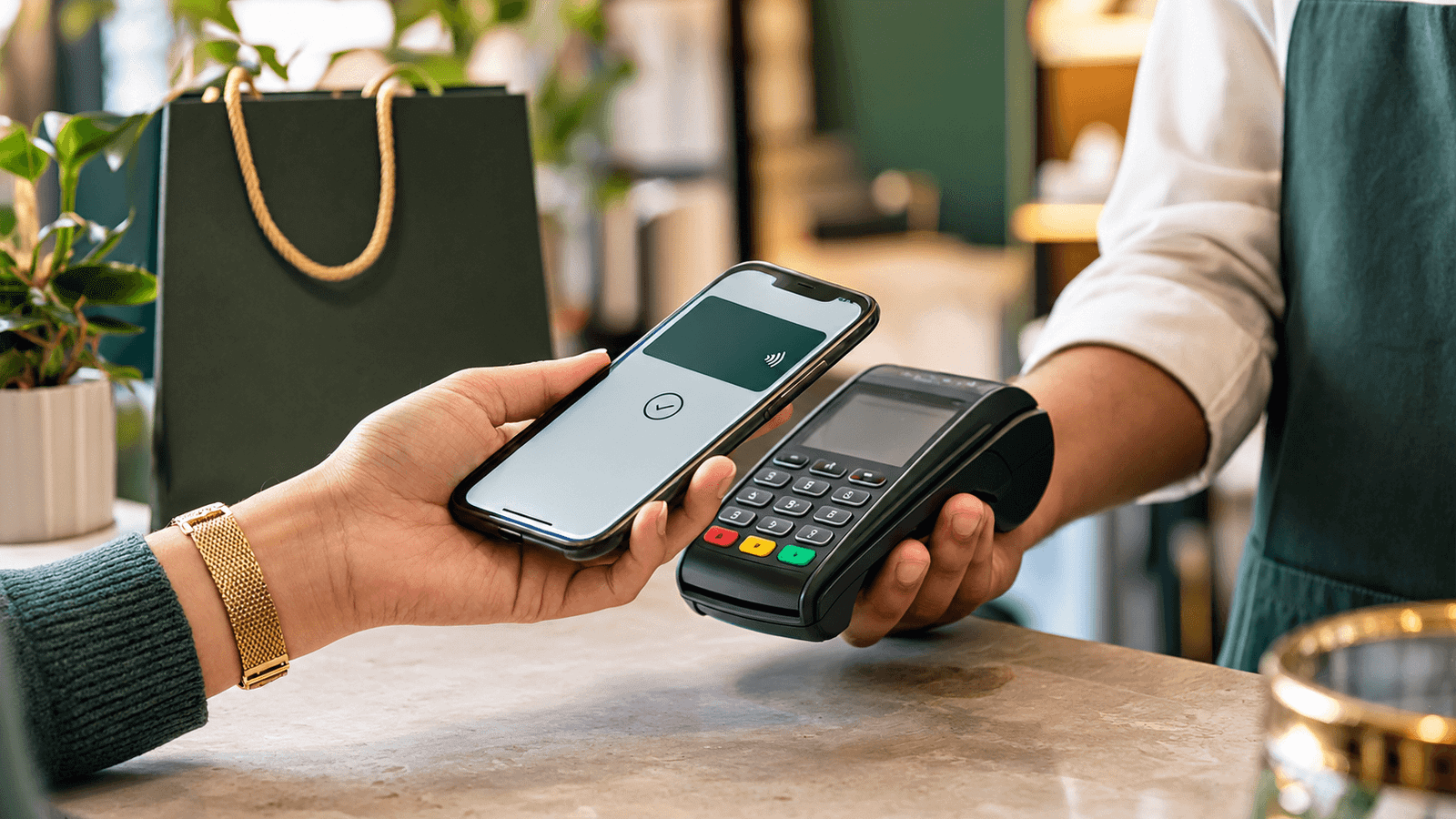
Digital Wallets Explained: A digital wallet is a tool that allows you to make payments, store payment credentials, or manage certain financial information using a smartphone, computer, or other connected device. Digital wallets can make everyday transactions faster and more convenient, from paying at a shop to shopping online or sending money to another person. However, understanding how digital wallets work, what they cost, and how to protect your money is essential before using one.
Digital payments are becoming an important part of the global financial system. Consumers and businesses use digital wallets to reduce reliance on physical cash, simplify transactions, and manage payments across different platforms.
In this guide, you will learn what digital wallets are, how they work, the different types available, their advantages and disadvantages, and the steps you can take to use them safely.
What Is a Digital Wallet?
A digital wallet is a software-based service or application that allows users to store or access payment information electronically and make supported transactions. Depending on the provider, it may store payment card credentials, connect to a bank account, hold a prepaid balance, or support loyalty cards and digital tickets.
Examples of digital wallet services include Apple Pay, Google Wallet, PayPal, and other payment applications available in different countries. Their features and availability vary by device, financial institution, merchant, and location.
Not every digital wallet works in the same way. Some are primarily designed for contactless payments at physical stores, while others focus on online purchases, money transfers, or holding a balance within an application.
A digital wallet is also different from a cryptocurrency wallet. A traditional payment wallet generally helps you use conventional payment methods, whereas a cryptocurrency wallet manages the keys used to access and transact with digital assets on a blockchain.
How Do Digital Wallets Work?

Although the technology differs between providers, most digital wallets follow a similar process.
1. Set Up Your Wallet
You download or activate a wallet service supported by your device or financial institution. Depending on the provider, you may need to verify your identity, enable a screen lock, or accept the service’s terms.
Always download financial applications from official app stores or the provider’s verified website.
2. Add a Payment Method
You may be able to connect a debit card, credit card, eligible bank account, or prepaid balance. Some wallets also allow you to store loyalty cards, boarding passes, and other digital credentials.
The available options depend on the country and provider. Read the wallet’s terms to understand which payment methods are supported and whether fees apply.
3. Verify Your Payment Details
The provider or issuing bank may ask you to complete a verification step before allowing you to use a card or account. This helps confirm that you are authorised to add the payment method.
Never share a one-time password, PIN, or verification code with someone who contacts you unexpectedly.
4. Make a Payment
When shopping online, you may select a digital wallet at checkout and authenticate the transaction. At a physical store, a compatible device may communicate with a payment terminal using near-field communication (NFC), where supported.
Some wallets use payment tokens instead of exposing the actual card number to the merchant. This can reduce the amount of sensitive payment information shared during a transaction, although it does not eliminate every security risk.
5. Review the Transaction
After paying, check the confirmation displayed by the wallet, merchant, or bank. The transaction may appear immediately or take time to show in your account, depending on the payment method and provider.
Keep receipts for important purchases and regularly review your linked bank and card statements.
Types of Digital Wallets
Digital wallets serve different purposes. Understanding the main types can help you choose a service that suits your needs.
1. Mobile Device Wallets
Mobile wallets allow users to make supported payments through smartphones, smartwatches, or other compatible devices.
They may store tokenised payment credentials and use a device’s security features, such as a passcode, fingerprint, or facial recognition, to authorise payments.
These wallets are useful for contactless purchases and supported online transactions. However, a merchant’s payment terminal, your device, and your bank must all support the relevant payment method.
2. Online Payment Wallets
Online payment wallets are commonly used for e-commerce purchases and certain money transfers. Depending on the service, users may connect bank accounts or cards, receive money, or maintain a balance within the platform.
They can make checkout easier because users may not need to enter payment details for every purchase.
Before relying on an online wallet, review its fees, withdrawal rules, dispute process, and the conditions under which funds may be held or restricted.
3. Closed-Loop Wallets
A closed-loop wallet is generally designed for use with a specific business or group of businesses. For example, a retailer may offer a wallet or stored-value account that customers can use within its own ecosystem.
These wallets may provide rewards or make repeat purchases easier. However, the balance may not be usable everywhere, and refunds or withdrawals can be subject to specific terms.
4. Prepaid and Stored-Value Wallets
Some digital wallets allow users to load money in advance and spend the available balance later. Others hold value associated with a prepaid account or payment product.
Check whether the balance is protected if the provider experiences financial difficulties, how unused funds can be withdrawn, and whether inactivity or transfer fees apply. These protections differ by country and product.
5. Cryptocurrency Wallets
Cryptocurrency wallets manage the private keys or other credentials needed to access digital assets on a blockchain. Some are software-based, while others use dedicated hardware.
A cryptocurrency wallet is not the same as a bank account or a conventional digital payment wallet. Transactions may be difficult or impossible to reverse, and losing access credentials can result in permanent loss of access to assets.
Understand the technology and risks before using one.
Benefits of Using Digital Wallets
Digital wallets offer several advantages when used appropriately.
Convenient Payments
A digital wallet can reduce the need to carry physical cards or cash. Supported payments can often be completed with a few taps or a device authentication step.
Faster Checkout
Saved payment credentials can make online checkout more efficient. Some wallets also simplify recurring or repeat transactions, depending on the merchant and service.
Additional Security Features
Many established wallets support device authentication, transaction notifications, tokenisation, or other security features. These measures can help reduce certain risks compared with sharing card details directly.
However, security depends on the provider, device settings, account protection, and how carefully you use the service.
Easier Transaction Tracking
Some wallets provide searchable transaction histories and payment notifications. These records can help you review spending and identify unfamiliar transactions.
For better budgeting, compare wallet activity with your bank statements and overall spending plan rather than relying on one application alone.
International and Online Use
Some digital wallets support online purchases or payments across borders. Availability, currency conversion, exchange rates, and transaction fees vary.
Before paying internationally, confirm the amount you will be charged in your own currency and check whether your bank or wallet provider adds a fee.
Risks and Disadvantages of Digital Wallets
Digital wallets can be convenient, but they are not risk-free.
Fraud and Social Engineering
Scammers may impersonate banks, wallet providers, friends, or online sellers to trick users into approving payments or revealing account credentials.
Unexpected requests for money, urgent warnings, fake refunds, and prize claims that require payment are common warning signs.
Read our guide on how to spot AI-powered financial scams for more ways to recognise suspicious financial messages.
Lost or Stolen Devices
If someone gains access to an unlocked device or a poorly protected account, they may attempt unauthorised transactions.
Use a strong device passcode, enable available biometric security, activate remote-locking features, and contact your wallet provider promptly if your device is lost or stolen.
Technical Problems
A wallet may not work if your phone battery is depleted, your device is incompatible, the payment terminal does not support it, or the service experiences an outage.
Keeping an alternative payment method available can help you avoid being stranded when digital payments are unavailable.
Fees and Exchange Rates
Some wallets charge for particular transfers, currency conversions, withdrawals, or expedited services. Others may offer basic features without a direct fee but have different terms for other transactions.
Review the full fee schedule before making frequent or large payments.
Privacy and Data Collection
Payment providers may collect transaction information, device details, and other personal data to operate their services, detect fraud, or meet legal requirements.
Read the privacy policy and review app permissions. Consider whether the information collected is necessary for the service you want to use.
Limited Payment Acceptance
Not every merchant accepts every wallet. Some services operate only in certain countries or require specific bank cards and devices.
Check compatibility before relying on a wallet for all your payments.
How to Choose the Right Digital Wallet
The best digital wallet depends on how you plan to use it. Compare the following factors before making a decision.
Security and Authentication
Look for reputable providers that explain their security features, account recovery process, and fraud-reporting procedures. Check whether the wallet supports device authentication, transaction alerts, and additional account protection.
No wallet is completely risk-free, so your own security habits matter too.
Supported Payment Methods
Confirm that the wallet works with your bank, debit card, credit card, or preferred payment source. If you regularly shop at particular stores or websites, check whether they accept it.
Fees and Limits
Review transaction fees, withdrawal charges, currency conversion costs, transfer limits, and any minimum balance requirements.
A wallet with convenient features may not be the most economical choice for every type of transaction.
Refunds and Dispute Resolution
Understand how to report an unauthorised transaction, challenge a purchase, or request a refund. Payment protection can vary depending on the wallet, funding source, transaction type, and applicable law.
Do not assume that every wallet transaction has the same protections as a credit card payment.
Privacy and Compatibility
Review what information the provider collects and whether the wallet works on your devices. If you travel internationally, confirm availability and support in your destination.
How to Use Digital Wallets Safely

Following a few practical habits can help reduce common risks.
- Download from official sources. Avoid unfamiliar links, unofficial app stores, and applications that imitate established providers.
- Protect your device. Use a strong screen lock, update your operating system, and enable remote-locking or device-finding features where available.
- Secure your account. Use a unique password where applicable and enable multi-factor authentication when offered.
- Never share verification codes. A genuine support representative should not need you to disclose your password, PIN, or one-time authentication code.
- Verify every payment. Check the recipient, merchant, and amount before approving a transaction.
- Be cautious with unexpected requests. If a friend or relative asks for urgent money, confirm the request through a separate, trusted communication method.
- Enable transaction alerts. Notifications can help you spot unfamiliar activity quickly.
- Monitor your accounts. Review wallet activity and linked bank or card statements regularly.
- Act quickly if something goes wrong. Contact the wallet provider and relevant financial institution as soon as you notice an unauthorised transaction. Follow their instructions for securing the account and disputing the payment.
The US Federal Trade Commission provides additional guidance in its article on mobile payment apps and scam prevention. Although its advice is useful more broadly, the legal protections and reporting channels discussed by US agencies may not apply in every country.
Digital Wallets and Budgeting
Digital wallets can make payments easier, but convenience may also encourage impulse spending. Because transactions can feel less tangible than handing over cash, it is useful to connect wallet activity with a clear budget.
Start by reviewing your monthly income and essential expenses. Set a realistic limit for discretionary spending and check your wallet transactions at least once a week.
You can also use a monthly budget that actually works to organise expenses across payment methods. Include wallet purchases, automatic subscriptions, and small digital transactions so that they do not disappear from your overall spending picture.
If you use multiple wallets, avoid keeping more money in stored balances than you need for everyday transactions. Understand how to transfer unused funds back to your bank account and whether any fees apply.
The goal is not to use the maximum number of payment tools. It is to choose a manageable system that makes your money easier to track and control.
Digital Wallets vs. Traditional Payment Cards
Digital wallets and physical cards can serve similar purposes, but they differ in how payment credentials are accessed and used.
| Feature | Digital Wallet | Physical Payment Card |
|---|---|---|
| Payment method | Compatible device or online account | Physical card or card details |
| Authentication | May use device passcode or biometrics | May use PIN, signature, or other checks |
| Convenience | Useful for supported contactless and online payments | Widely accepted where the card network is supported |
| Device dependency | May depend on device battery, compatibility, or service availability | Does not require a smartphone for ordinary card use |
| Security risks | Account takeover, device access, or social engineering | Card theft, skimming, or stolen card details |
| Fees and protections | Depend on provider and funding source | Depend on issuer, network, transaction, and local law |
Neither method is automatically safer in every situation. Digital wallets may reduce exposure of the underlying card number in supported transactions, while physical cards can provide a useful alternative when a device is unavailable.
Compare the security features and terms of the specific payment products you use.
What Happens If Your Digital Wallet Is Hacked or Your Phone Is Lost?
If you suspect that someone has accessed your wallet, take action promptly.
First, lock your device remotely if that feature is available. Contact your wallet provider and the bank or card issuer connected to the account. Ask them to secure the account, suspend affected payment credentials, and explain how to dispute unauthorised transactions.
Change compromised passwords from a trusted device and review other accounts that used the same credentials. Check recent transactions carefully and preserve relevant receipts, alerts, and communications.
If your phone is lost, follow the provider’s official instructions for removing payment cards or disabling wallet access. If you believe a scammer has received money, report the transaction to the relevant service and local authorities where appropriate.
The exact recovery options depend on the wallet, payment method, and jurisdiction. Do not assume that a completed transfer can always be reversed.
Frequently Asked Questions
Are digital wallets safe to use?
Digital wallets from reputable providers can offer useful security features, including authentication and tokenisation for supported transactions. However, fraud, compromised devices, weak account security, and mistakes can still lead to losses. Use security features and verify transactions carefully.
Do digital wallets charge fees?
Some basic wallet functions may be free, while certain transfers, withdrawals, currency conversions, or expedited services may incur fees. Check the provider’s current terms before using a service.
Do I need a bank account to use a digital wallet?
Not always. Some wallets require a linked bank account or payment card, while others support prepaid balances or different funding methods. Requirements vary by provider and country.
Can I use a digital wallet internationally?
Some wallets support international payments, but availability depends on the country, merchant, device, and linked payment method. Foreign currency conversion fees and other charges may apply.
What is the difference between a digital wallet and a cryptocurrency wallet?
A conventional digital payment wallet helps you access payment credentials or make supported payments using traditional financial systems. A cryptocurrency wallet manages the credentials needed to access digital assets on a blockchain. The two have different risks, functions, and protections.
What should I do if I send money to the wrong person?
Contact the wallet provider immediately and follow its official process for reporting the mistake. If a bank account or card was involved, contact the relevant financial institution as well. Some transfers may be difficult to reverse, so always verify recipient details before sending money.
Final Thoughts
Digital wallets have changed how consumers shop, transfer money, and access payment services. They can offer convenience, faster checkout, and useful security features, but they also require careful account management and awareness of fees, privacy, and fraud risks.
Before choosing a wallet, compare its supported payment methods, security features, costs, and dispute process. Protect your device, verify recipients, monitor transactions, and keep an alternative payment method available.
Used thoughtfully, a digital wallet can be a helpful part of your financial toolkit. The most important step is to choose a service that fits your needs and use it in a way that keeps your money secure and your spending under control.
Disclaimer: This article is for educational purposes only and does not constitute financial, legal, or cybersecurity advice. Features, fees, and consumer protections vary by provider and jurisdiction. Review the official terms of your chosen service before using it.
3 thoughts on “Digital Wallets Explained: How They Work, Benefits, Risks, and Safe Use”